














J- or K-beauty? Can you spot the difference?
Innovation vs craftsmanship. Trendsetting vs refinement. Korean and Japanese skincare may take different routes, but they ultimately share the same destination: healthier glowing skin.
We spoke to two of Sweden's foremost experts in K-beauty and J-beauty tounderstand what truly sets them apart – and what makes them stronger together.
Words by Carin Hellman
This article contains advertising links
For years, K-beauty have shaped the global skincare conversation. Korean sheet masks, essences and glass skin transformed beauty routines worldwide, while J-beauty Japanese skincare more quietly earned a reputation for elegance, craftsmanship and simplicity. Today, both philosophies are more influential than ever. But while they're often grouped together under the umbrella of Asian beauty, they represent two distinct approaches to skincare, and perhaps even to life itself.
So, what exactly separates K-beauty from J-beauty? And why are we increasingly drawn to both?
K-Beauty and J-Beauty: different paths to the same goal
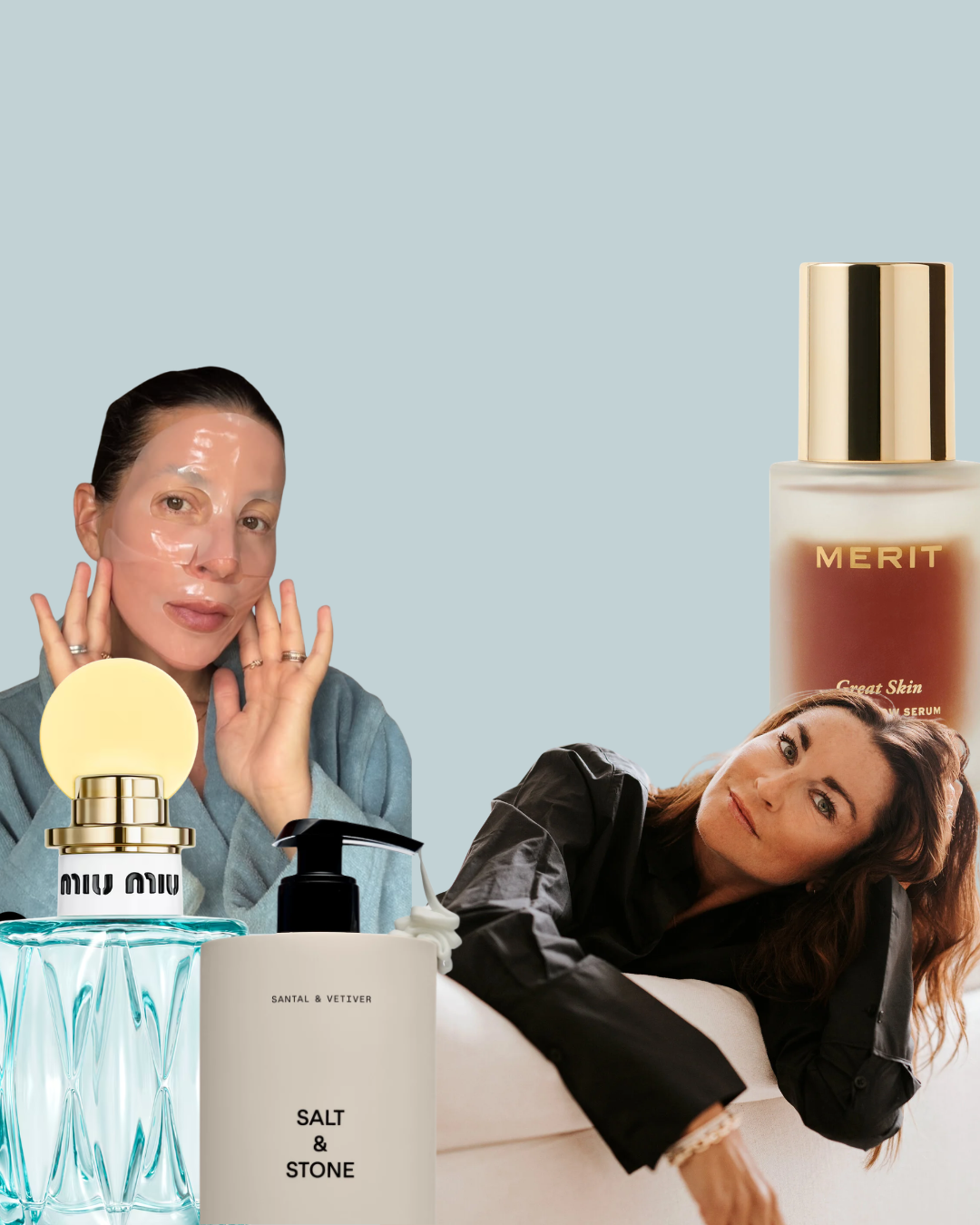
At their core, Korean and Japanese skincare share a common belief: healthy skin is built through consistency, prevention and care rather than correction. But how they get there differs: "K-beauty is very holistic," says Cecilia Ortmark Söder, founder of GLOWiD, one oft he first companies to introduce Korean skincare to Sweden. "It's about everything from what you eat, how you exercise and sleep, to how you caref or yourself overall. The philosophy is to work both from the inside and out ina gentle way that supports long-term skin health."
Japanese skincare shares that long-term perspective, but approaches it with a different rhythm: "For me,J apanese skincare is as much about philosophy as formulations," says Hanna Nordström, Co-founder of Scandinavian J-beauty destination YAY YAY. "There's av ery respectful and long-term way of looking at the skin, where the focus is on balance, prevention and consistency rather than quick results."
In many ways, I think we can agree on that K-beauty represents innovation and evolution, while J-beauty embodies refinement and preservation.
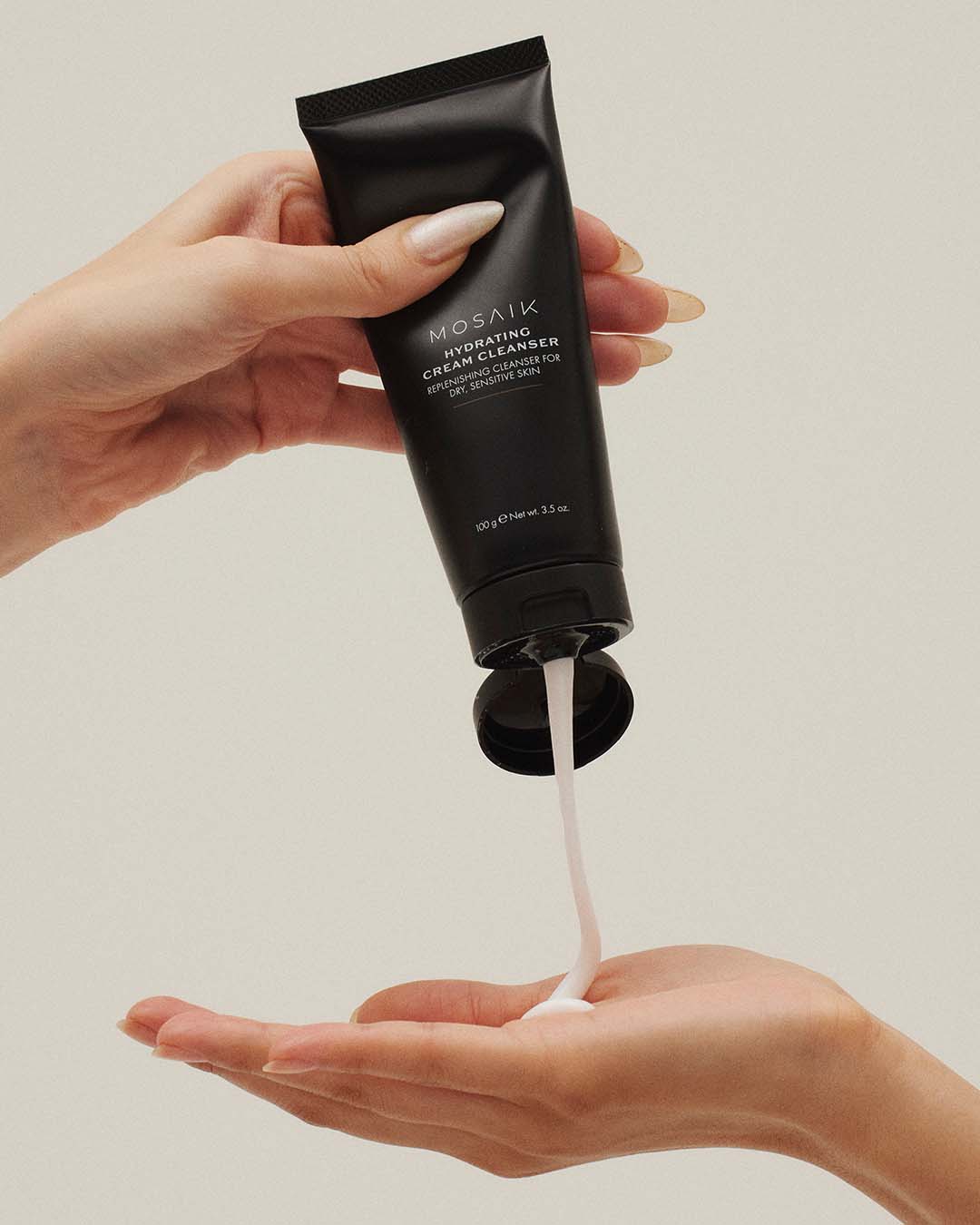
How K-Beauty became a global phenomenon
When Cecilia launched GLOWiD, Korean skincare was still largely unknown in Sweden: "It was aconstant effort to educate consumers and explain why Korean skincare wasleading the world in innovation," she recalls. "Many people assumed the products were harsh, focused only on whitening or weren't produced responsibly."
A decade later,the landscape looks entirely different. K-beauty has become synonymous withcutting-edge ingredients, advanced formulations and entirely new productcategories. From sheet masks and sleeping packs to essences and ampoules,Korean beauty has repeatedly influenced how the rest of the world approaches skincare. According to Cecilia, this culture of innovation remains one of K-beauty's greatest strengths. "There's an enormous investment in product development, and the industry moves very quickly. Today, innovation extends beyond facial skincare into scalp care, haircare, body care and beauty technology."
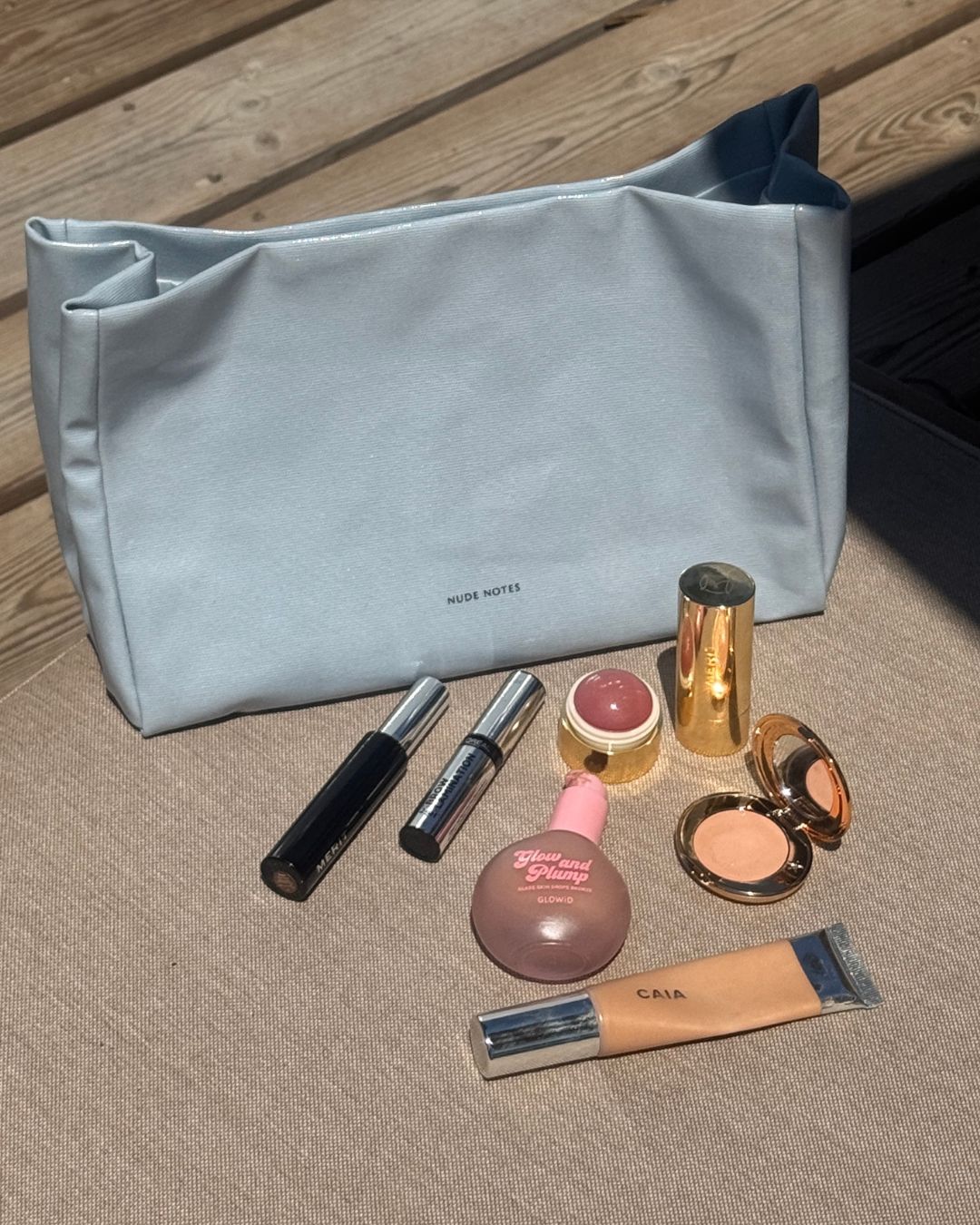
Must Haves
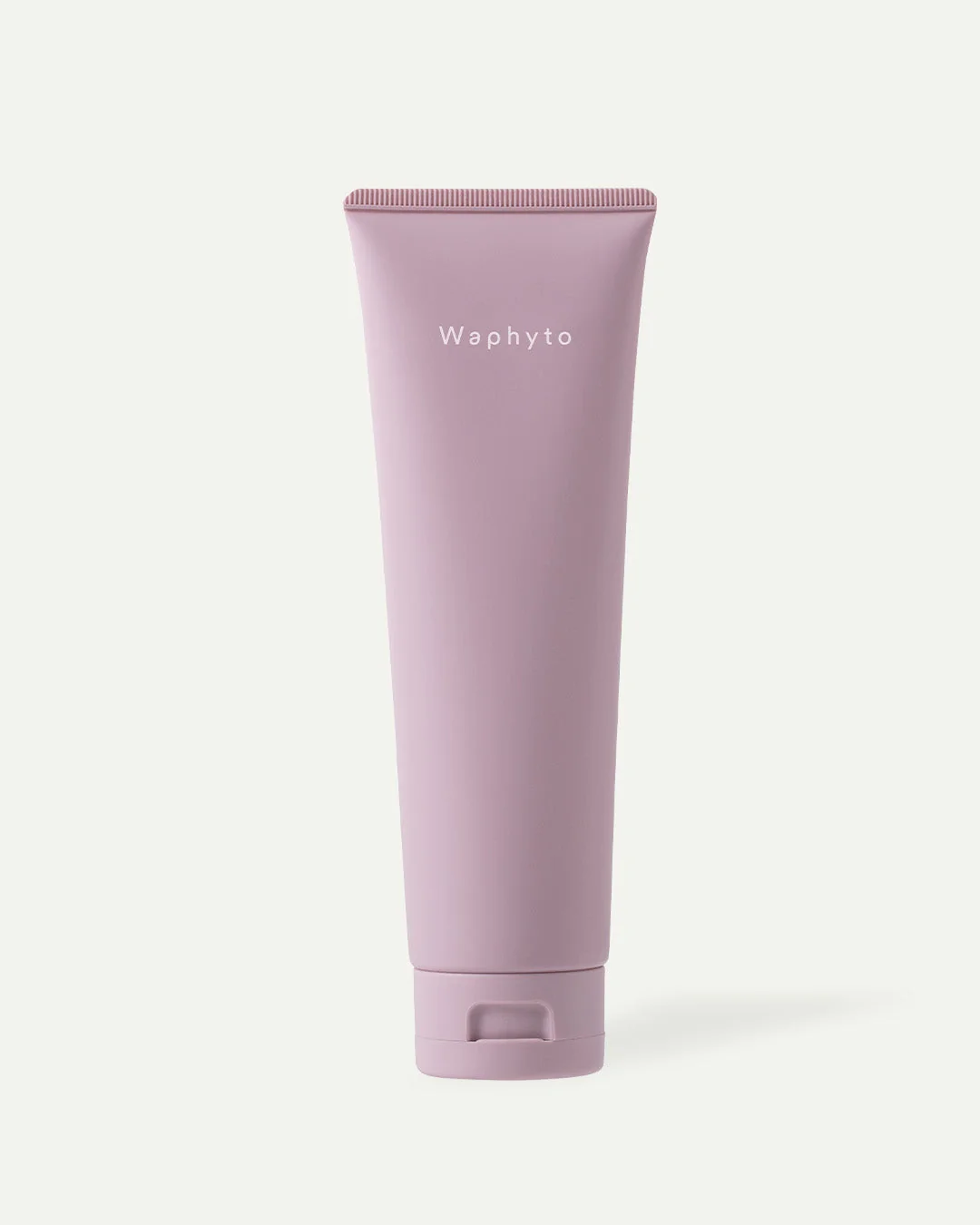
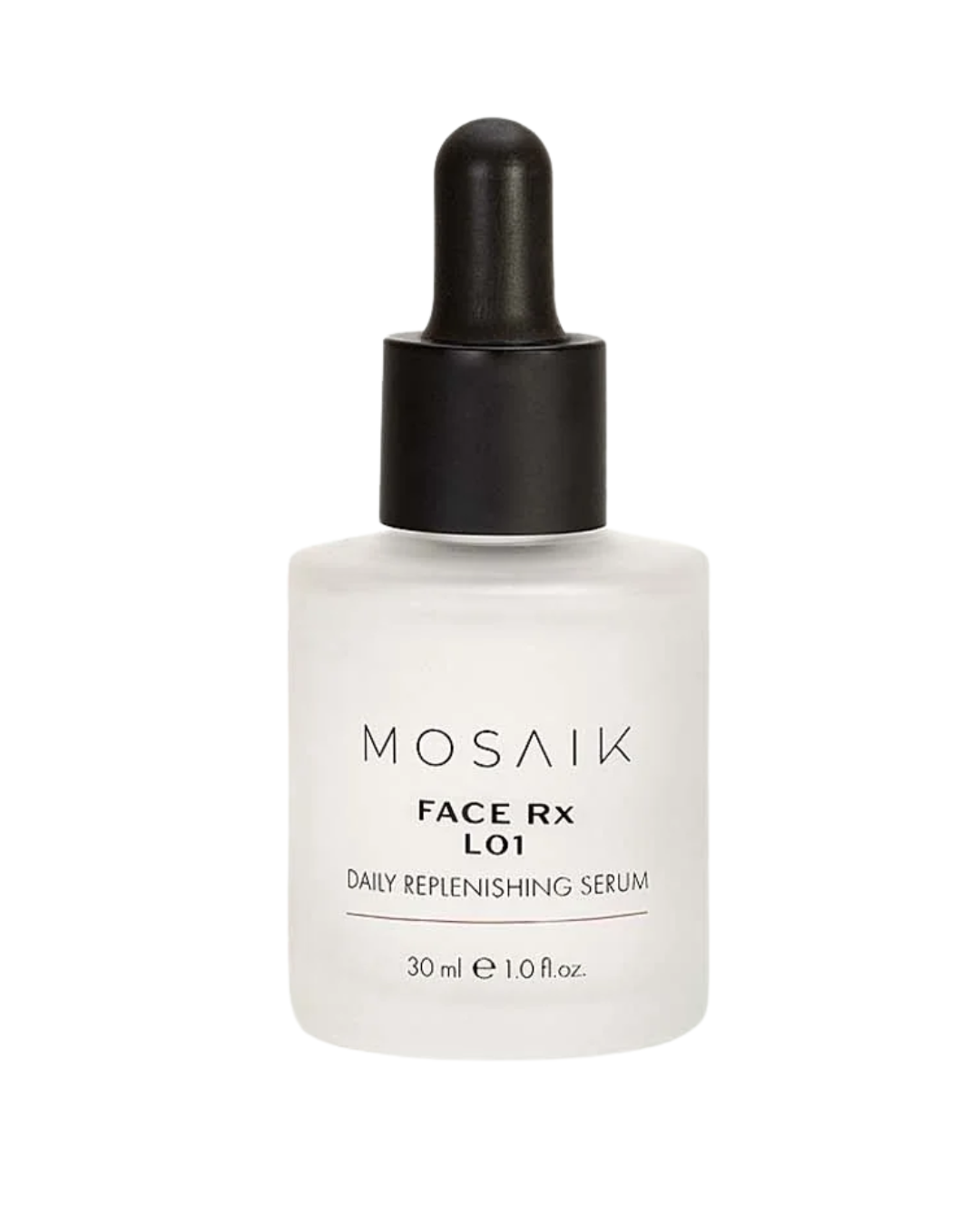
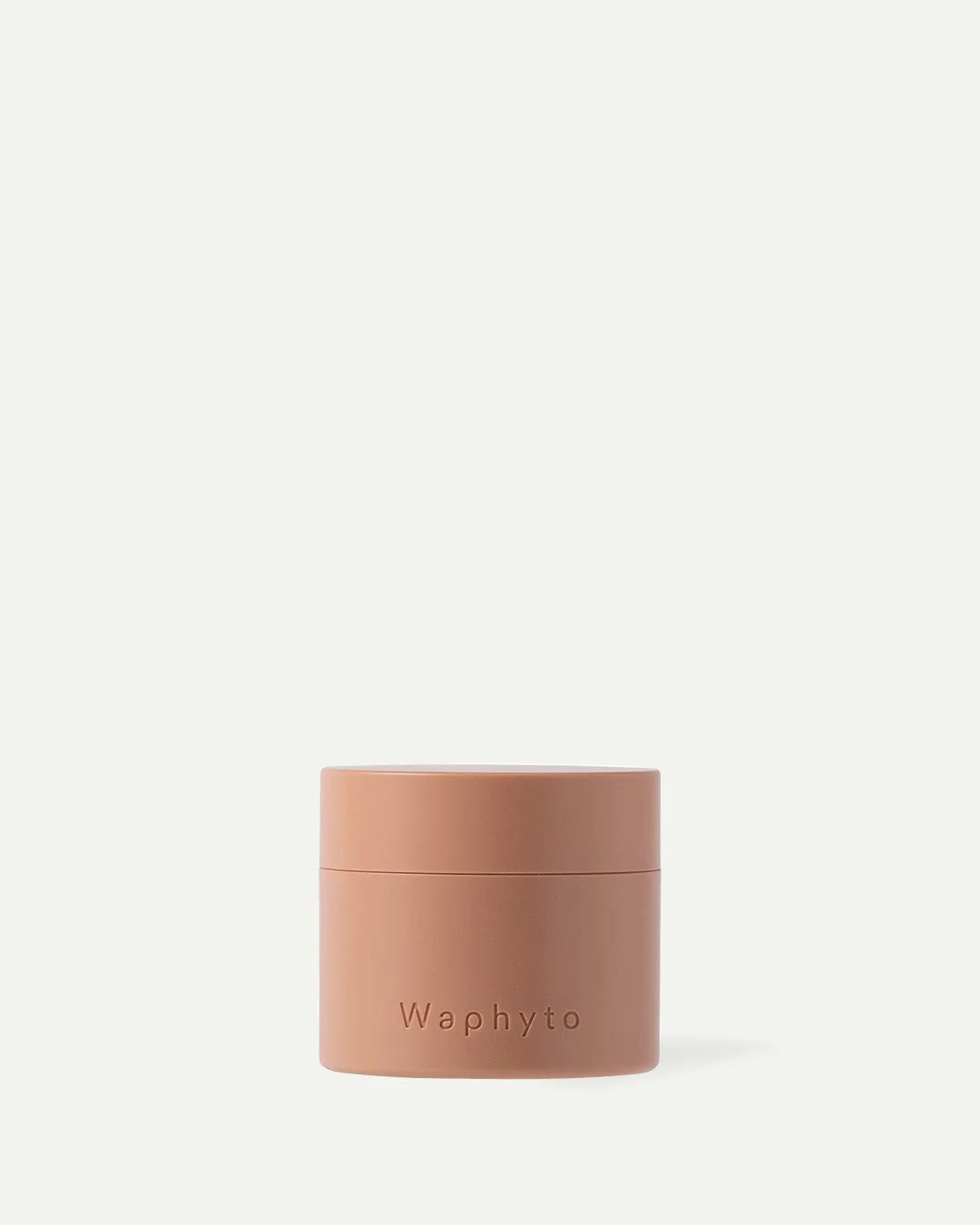
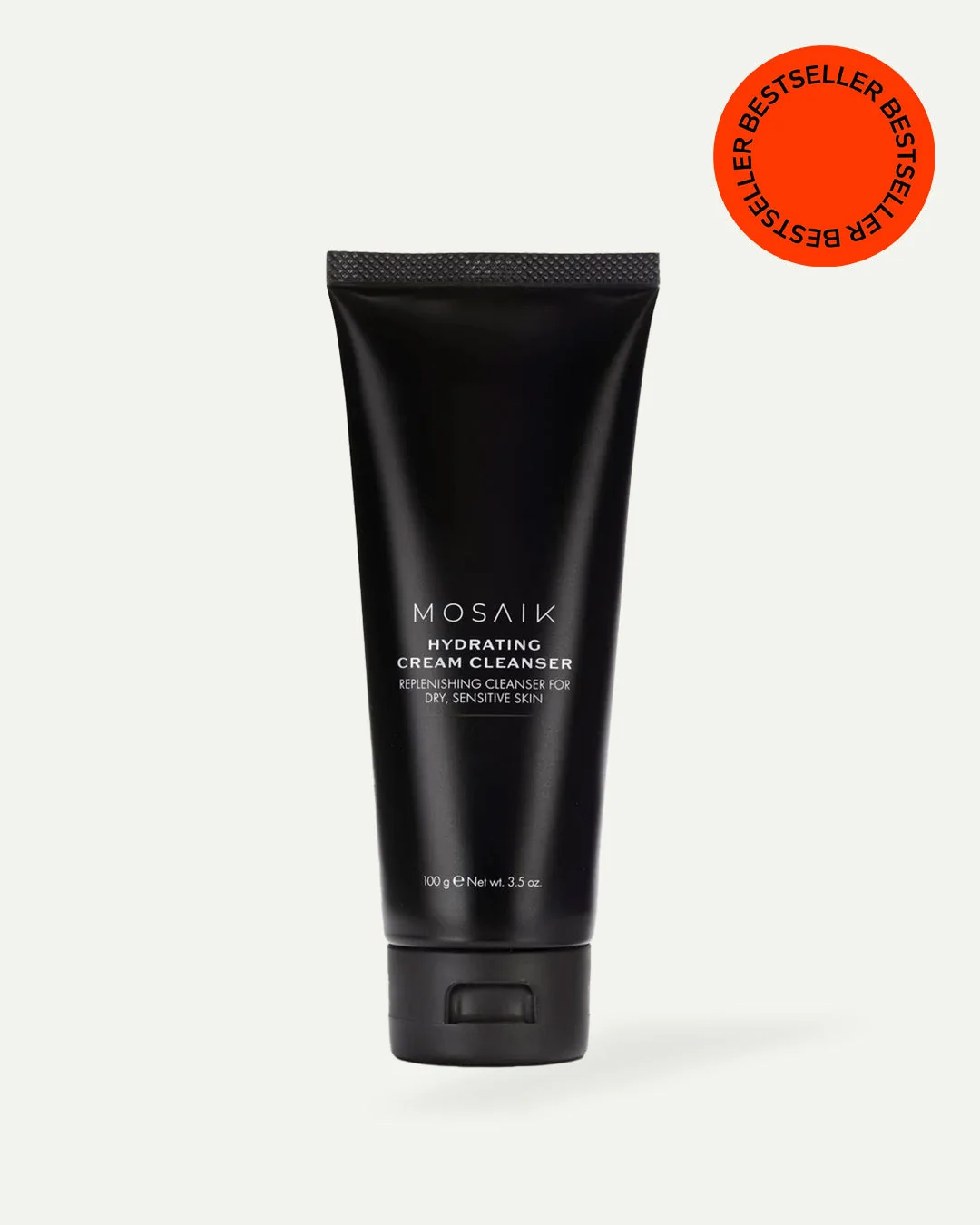

Beauty beyond the 10-Step routine
Perhaps no beauty myth has become more famous than the Korean 10-step routine. But according to Cecilia, that perception no longer reflects reality:
"I don't think people are focused on reaching a specific number of steps anymore. Most consumers understand that skincare is about finding the routine that works for their individual skin."
Instead, modern K-beauty revolves around personalization and layering hydration in a way that supports the skin barrier without overwhelming it. A gentle cleanser, mild exfoliation, multiple layers of hydration and diligent sun protection remain the foundations of the philosophy.
"It's about preventing problems before they appear," Cecilia explains. "Pigmentation, premature ageing and dehydration are all easier to address through consistent daily care."
Photo courtesy of YAY YAY Beauty
The japanese art of doing less
If Korean beauty is known for constant innovation, Japanese beauty is often celebrated for restraint. Rather than introducing entirely new categories every season,Japanese brands tend to perfect existing formulations over many years, sometimes decades.
Products are designed to work together in harmony, supporting the skin rather than pushing it to change. A traditional J-beauty routine often consists of just a few essential steps: cleansing, hydrating lotion or toner, serum, moisturiser and SPF.
"The goal isn't to do more," says Hanna. "It's about choosing the right products and using them consistently." The result is a skincare ritual that feels intentional, calming and sustainable, qualities that increasingly resonate with today's consumers.

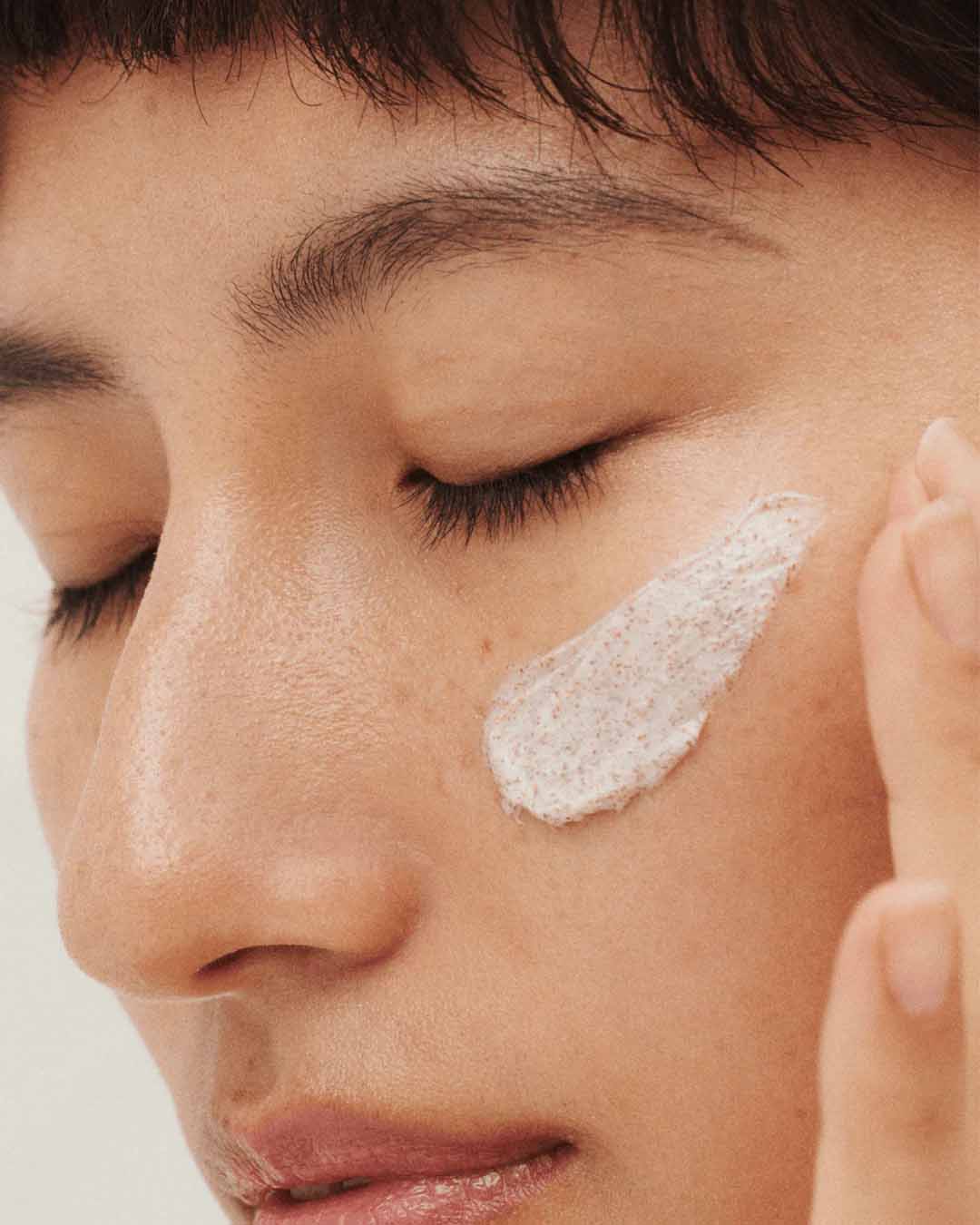
Are we embracing a slower beauty culture?
As skincareroutines have become more sophisticated, many consumers are beginning to moveaway from accumulation and towards curation. Hanna Nordström at YAY YAY sees agrowing appetite for quality over quantity:
"People are looking for routines that actually fit into their everyday lives. Fewerproducts, better quality and a more sustainable relationship with consumption."
Interestingly, Cecilia has noticed a similar shift among K-beauty consumers.
"I think people are increasingly interested in long-term results rather than overnight fixes. They're becoming more educated and want to understand what their skin actually needs."
In that sense,both K-beauty and J-beauty are moving toward the same destination: a more informed, intentional approach to skincare.
Photo courtesy of YAY YAY Beauty
The refinement in J-beauty
Perhaps the clearest difference between the two philosophies lies in how they approach innovation. K-beauty thrives on experimentation. New ingredients, technologies and formats appear constantly, keeping consumers curious and engaged. Japanese beauty evolves more quietly: "Innovationin J-beauty rarely means chasing trends," Hanna explains. "It's often about refinement - improving textures, formulations and craftsmanship overtime."
One approach celebrates discovery, the other celebrates mastery. Neither is better; they're simply reflections of different cultural values.
Photo courtesy of YAY YAY Beauty


The future of asian beauty?
Looking ahead, both founders see long-term skin health becoming increasingly important. Cecilia at GlowID points to continued innovation in scalp care, beauty technology and advanced formulations. Hanna at YAY YAY predicts further growth for Japanese brands centred around skin barrier support, longevity and refill systems.
What unitesboth perspectives is a commitment to prevention rather than correction.
For years, Western beauty focused on fixing problems after they appeared. K-beauty and J-beauty helped shift that mindset towards maintaining healthy skin beforeproblems arise.
And perhapsthat's the real lesson from both movements. While Korean beauty may be knownfor its energy and innovation, and Japanese beauty for its elegance andrestraint, both ultimately encourage the same thing: caring for your skin withpatience, consistency and respect.