
.png)
.png)


.png)
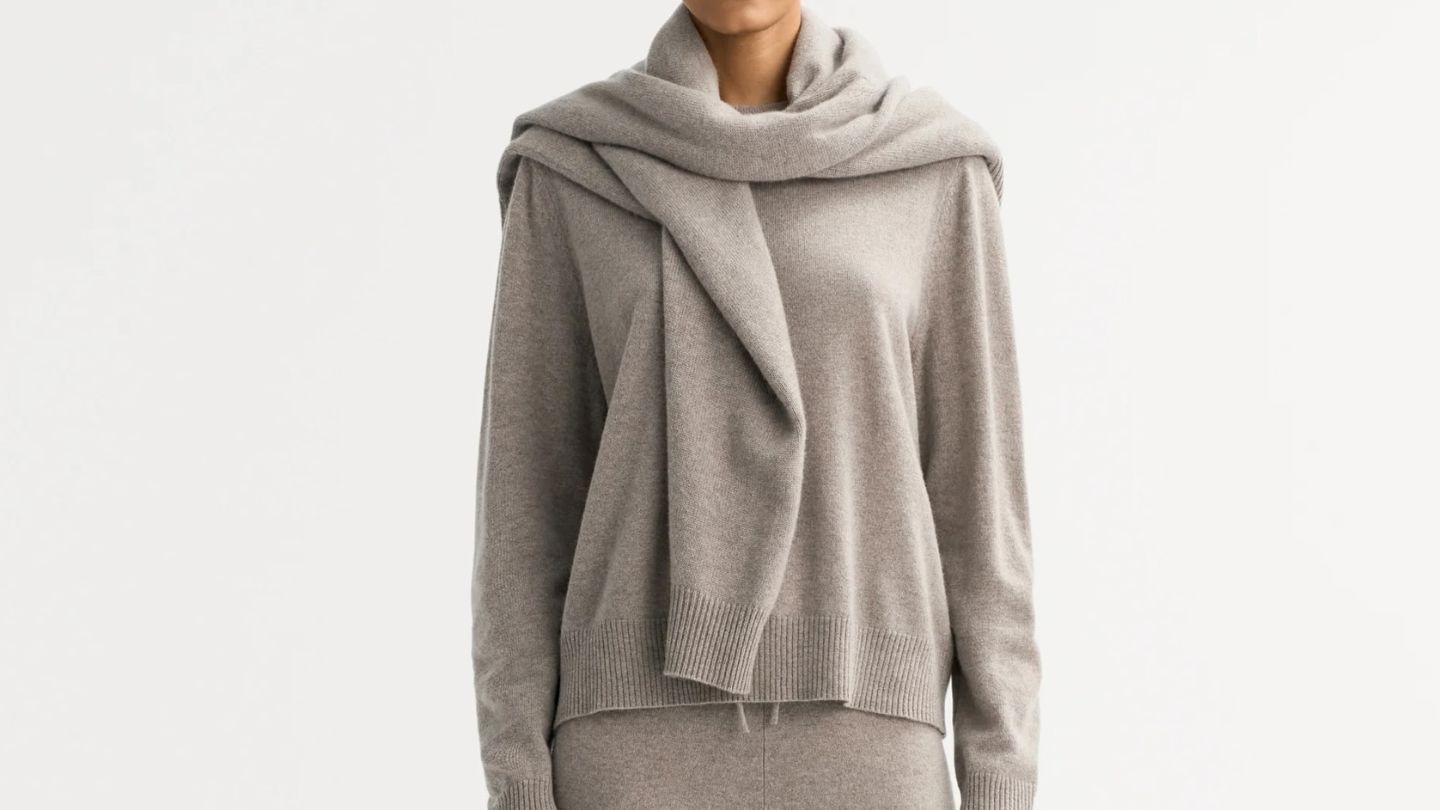


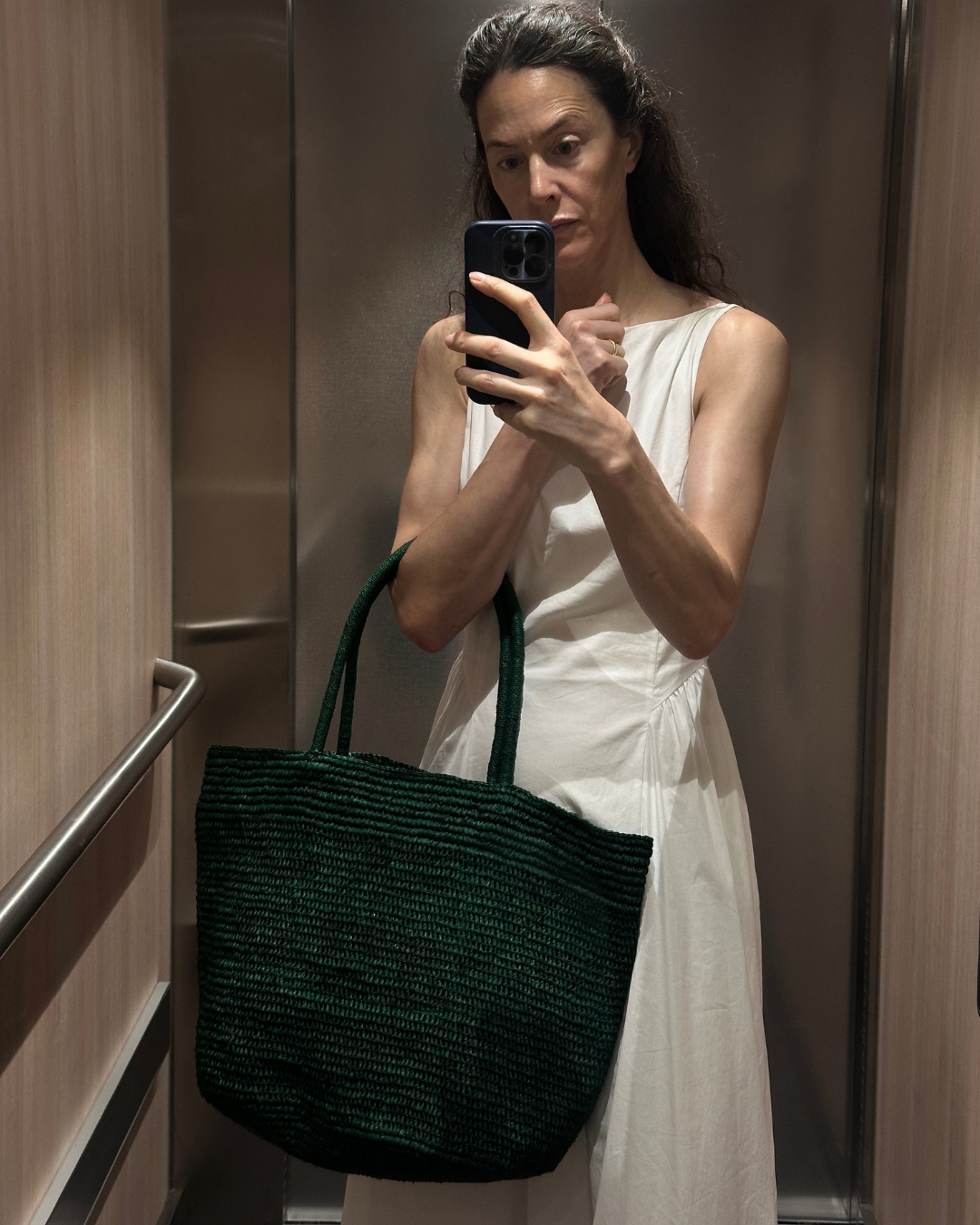
La Parisienne: the Woman, the Myth, the Mirror
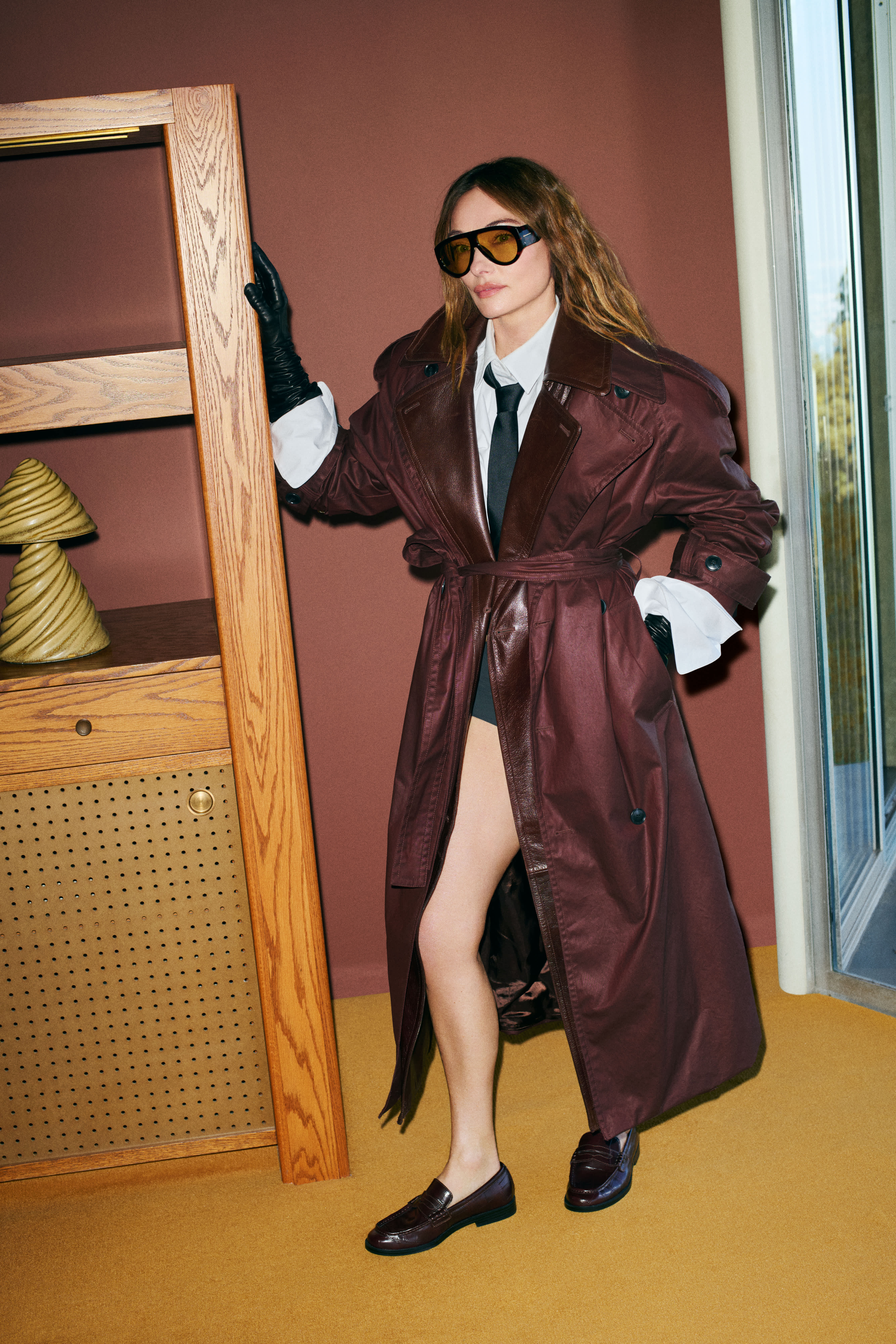
Timeless, elegant, charismatic. With a self-assurance that neither money nor procedures can fix. Few women embody the classic style icon quite like the French woman, regardless of wrinkles or graying hair.
Words by Sofia Edgren
This article contains adlinks
There is a gallery in Stockholm that I visit regularly. Yes, there are several, but after being here, a feeling of wonder almost always sets in. Because of the works on display of course, the place represents some of today's most interesting contemporary artists but just as much because of the woman who showcases them. The gallerist in question possesses a je ne sais quoi that makes her completely captivating. Charismatic, upright, elegant, with clothes that never follow simple laws of imbalance. Never too much, but absolutely not too little. Warm yet cool. Funny but with integrity. Classic without being boring. Always friendly, but also slightly arrogant.
.png)
Yes, you know who I mean. Inès de la Fressange, Caroline de Maigret, Garance Doré, Charlotte Rampling, Isabelle Huppert, Catherine Deneuve. And a number of other women who seem unaffected by the age obsession of our time.
Now, my gallerist is not French, yet I still think of her as such. Or rather, a typical "La Parisienne." The woman who embodies a perfect but seemingly effortless style: elegant, classic, timeless. And we are talking about far more than just appearances. For this persona, the archetype of "the effortless chic," is much more than a desirable surface. Perhaps she can best be described as a cultural phenomenon and a blend of several classic archetypes.
Here, Carl Jung's seven feminine archetypes play a crucial role in our understanding. The Swiss psychiatrist's theories of the collective unconscious and universal archetypes laid the foundation for how we create and understand human behavior in a cultural context. As an evolution of Jung's teachings, psychiatrist Jean Shinoda Bolen published “Goddesses in Everywoman: A New Psychology of Women” in the 1980s. In the book, she uses seven Greek goddesses to map out different inner drives, personality traits, and behavioral patterns in the female psyche (instead of allowing women to be defined by male norms or traditional gender roles). Among these are the archetypes of "The Lover" and "The Huntress," two socio-cultural stereotypes originating from Aphrodite and Artemis. According to this model, my gallerist's appeal could, on one hand, be linked to the love goddess's traits of beauty, sensuality, and creativity. On the other hand, it connects to the huntress's independence, autonomy, and focus.
But is it really that simple? And does a woman who fully incarnates “La Parisienne” actually exist? Or is she more of a projection for our dreams? An elevated style icon and status symbol who seems to float slightly above us mortals?
.png)
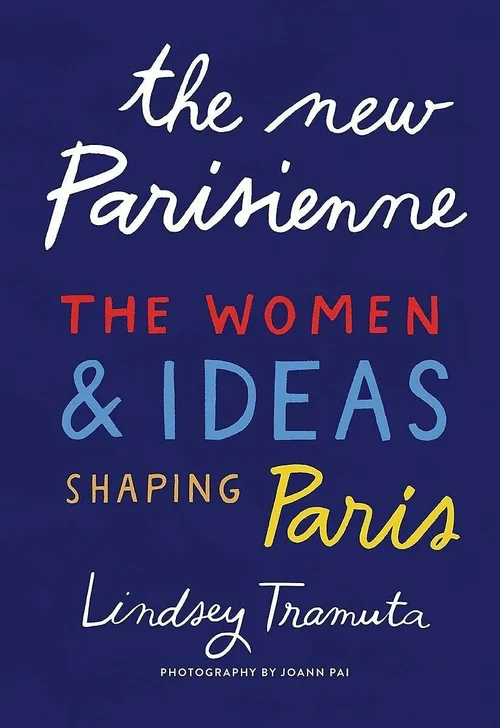
Yes, at least according to critics who argue that the stereotype in question is an unattainable and exclusionary myth that hinders rather than helps. One of them is Lindsey Tramuta, an American-French journalist, bestselling author, and podcaster based in Paris for the past twenty years. In her book “The New Parisienne: The Women & Ideas Shaping Paris,” she shatters the outdated myth of the "Parisian woman." Not to scrap the concept of “La Parisienne” entirely, but rather to update our view of her by showcasing the diversity, complexity, and agency that characterize real women today.
– I believe that magazines and media keep feeding these stereotypes and giving it life when, in actuality, what we see on the ground is incredibly diverse and even trend-driven. I think that women in other countries, including the U.S. and Sweden, have been made to believe there is a monolithic Parisienne whose look is effortless. But it doesn't really hold up. Because it´s not.
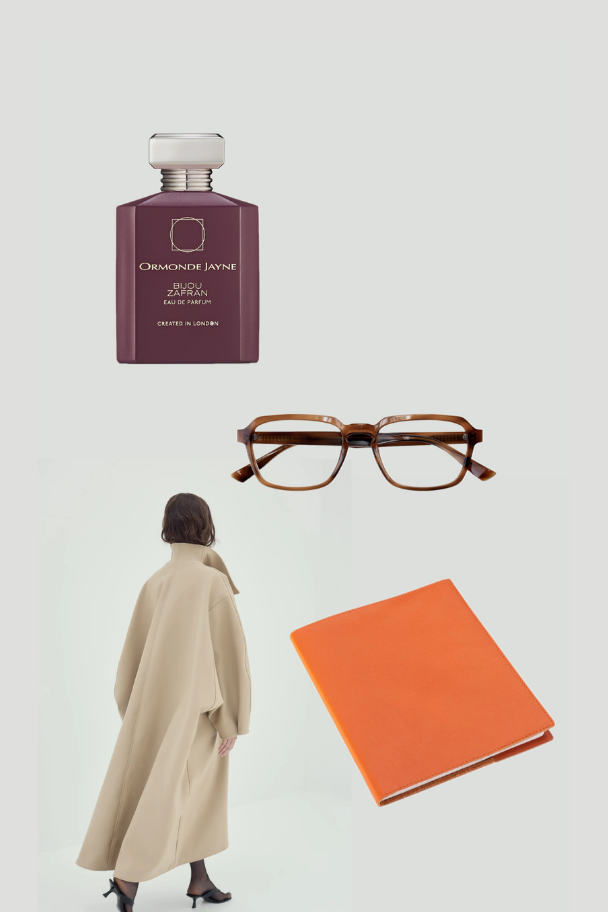
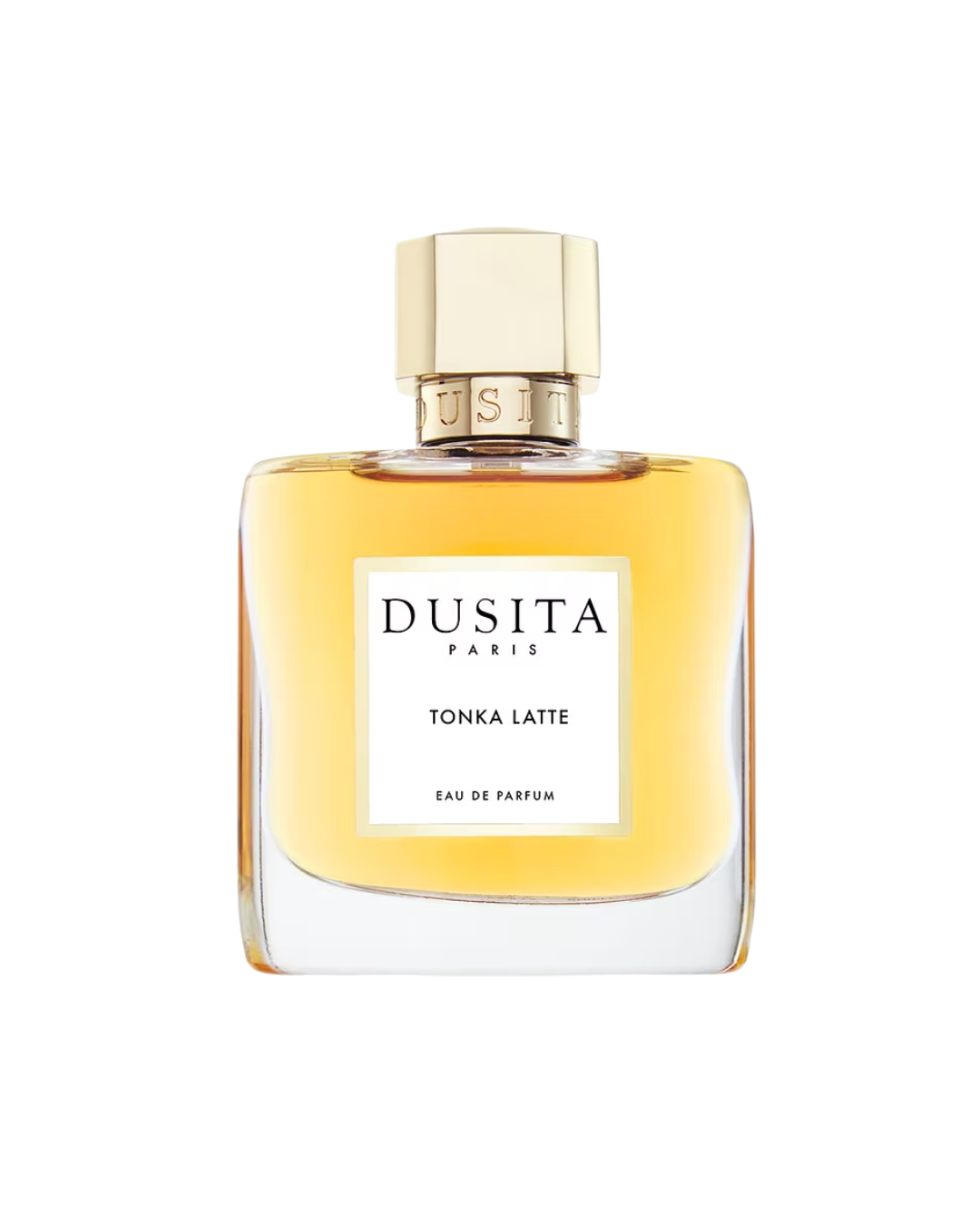
La Parisienne Essentials
.png)
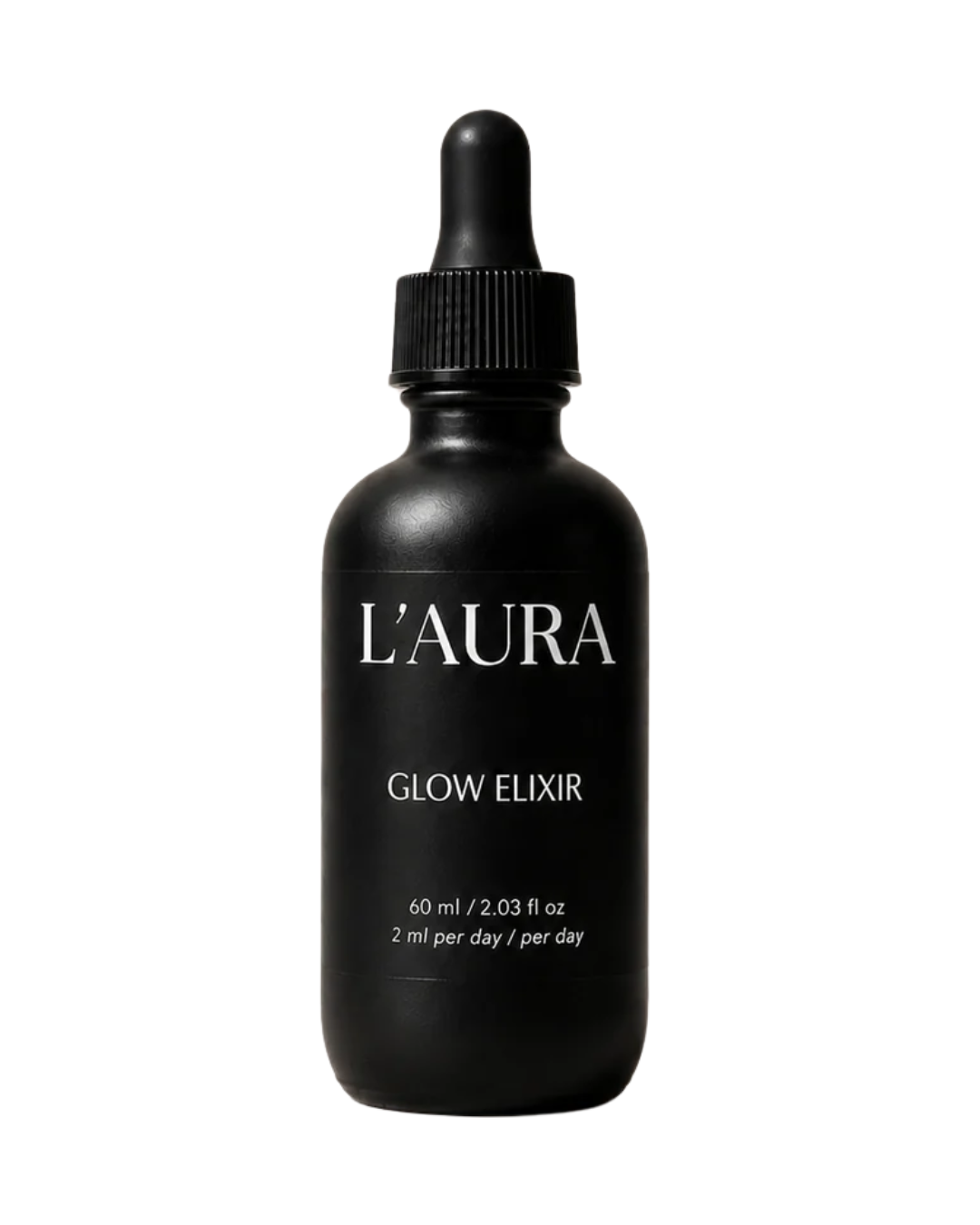
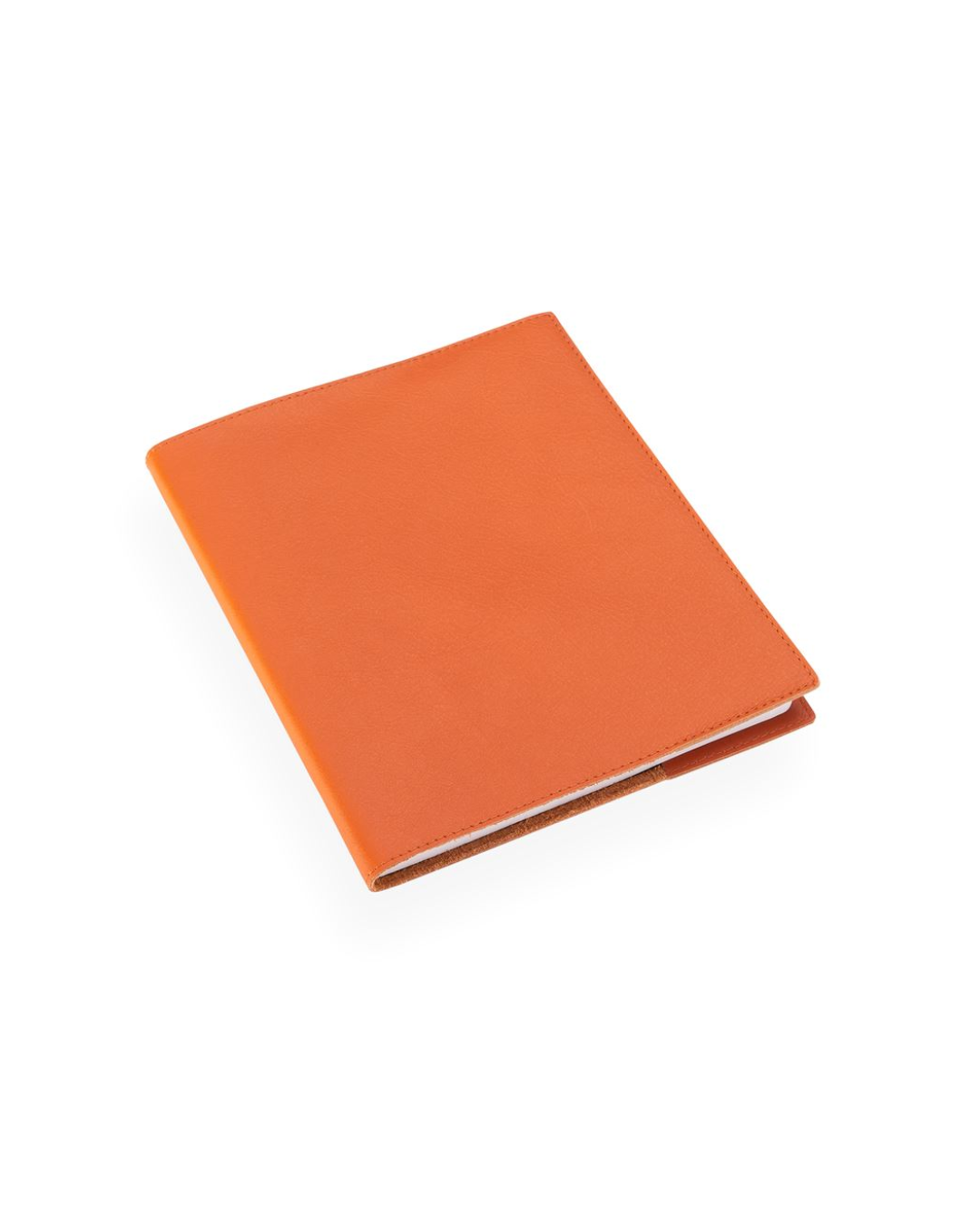
"It is a global capital so naturally, la Parisienne cannot be a monolith. She cannot possibly be one thing, much as we would never assume a New Yorker or Londoner fits into any neat category." - Lindsey Tramuta

La Parisienne: myth or reality?
Lindsey Tramuta argues that “La Parisienne” always has been built on a myth that was amplified by cinema, pop culture, women's magazines, and society at large. A cliché image of a thin, primarily white, heterosexual, instinctively stylish and chic (which often means moneyed) woman. Totally effortless in her beauty regime.
– This packaging of Parisian womanhood needs to change because it is inherently exclusive and class-specific. And yet, if you walk around Paris or take the metro, you see an incredibly rich diversity of faces and bodies. That is what makes this city so interesting and its people so fascinating. It is a global capital so naturally, la Parisienne cannot be a monolith. She cannot possibly be one thing, much as we would never assume a New Yorker or Londoner fits into any neat category. I think there are a lot of companies and brands that benefit from this narrow view. They make billions of dollars promoting the same old myth but where has that gotten us in accepting a plurality of looks?
.png)
Despite the criticism above, Tramuta does not want to take away the inspiration and confidence that many Parisian women exude. Regardless of whether she is French-born or foreign. Her fearlessness in taking up space is important in a time when women and their rights are gradually being stripped away.
– If we were to properly reframe the Parisienne in all of her complexity and manifestations, we might see that she is most inspiring and relevant in what she fights for, what she wants for her life, what she values. I think those traits have always been there - and look to important Parisian figures through history like Simone de Beauvoir, Simone Veil, Gisèle Halimi. But they often get overshadowed by the splashy myth. It's much easier to sell and nurture an idea when you reduce it to a few key elements. So if we can insist on the plurality of the Parisienne, we drop the archetype and recreate hundreds or thousands of different stories that can serve as references or sources of inspiration for women everywhere
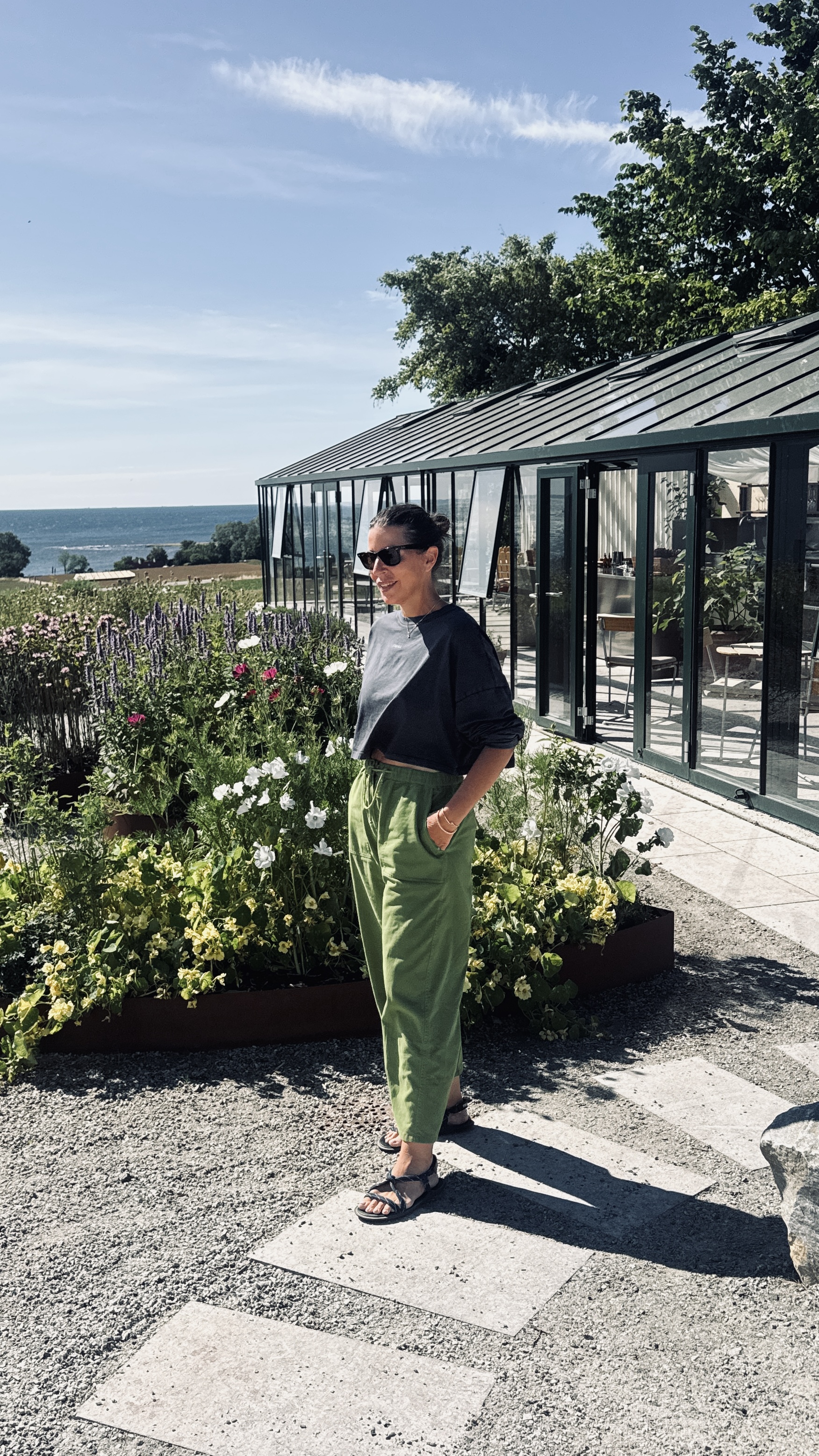
When I walk through Djurgården on a Sunday in September, I see a familiar silhouette in the distance. The straight back and the way she moves is familiar, yet something feels strange. The grey sweatpants, the messy bun, the slightly tired, pale face. My gallerist on a Sunday walk, completely ordinary just like the rest of us mortals.
Sofia Edgren is a Stockholm-based freelance journalist with clients like, Dagens Nyheter, DI Weekend and Elle. She writes extensively on topics within popular psychology, often focusing on relationships, holistic health, and personal development. One of her major role models is the Canadian physician and author Gabor Maté, whom she has also interviewed on a couple of occasions.